
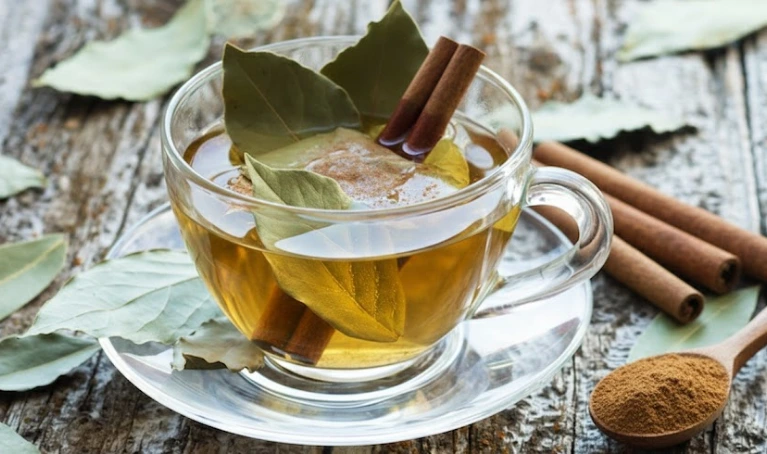
Cinnamon and bay leaf tea combines two powerful medicinal herbs used for centuries in traditional wellness practices. This warming, aromatic blend offers science-backed benefits for blood sugar control, digestive health, weight management, and immune support. Both ingredients contain potent bioactive compounds: cinnamon provides cinnamaldehyde and polyphenols, while bay leaves offer eugenol, vitamin A, and antioxidants that work synergistically when brewed together.
Clinical research has shown impressive results. Studies published in Diabetes Care found that regular cinnamon consumption can improve insulin sensitivity by up to 29%, while research in the Journal of Ethnopharmacology demonstrated that bay leaves contain compounds supporting digestive enzyme production and reducing inflammation. This makes bay leaf and cinnamon tea an evidence-based choice for metabolic health, gut wellness, and overall vitality.
This complete 2026 guide covers the health benefits, scientific evidence, preparation methods, safety considerations, and how to incorporate this therapeutic tea into your daily routine.
What Makes Cinnamon and Bay Leaf Tea So Powerful?
Active Compounds in Cinnamon
Cinnamaldehyde (60-75% of cinnamon essential oil):
- Primary bioactive compound responsible for metabolic effects
- Improves insulin signaling and glucose uptake in cells
- Antimicrobial properties against bacteria and fungi
- Supports healthy inflammatory response
Polyphenols and antioxidants:
- Neutralize free radicals that damage cells
- Protect against oxidative stress and aging
- Support cardiovascular health
Coumarin (varies by cinnamon type):
- Ceylon cinnamon: 0.004% (very low, safe for daily use)
- Cassia cinnamon: up to 5% (can be harmful in high doses)
- Affects blood clotting, important for medication interactions
Active Compounds in Bay Leaves
Eugenol:
- Anti-inflammatory and analgesic (pain-relieving) properties
- Antimicrobial activity against foodborne pathogens
- Supports digestive health by stimulating enzyme secretion
Vitamins and minerals:
- Vitamin A (supports vision, immune function, skin health)
- Vitamin C (antioxidant, immune support)
- Iron, calcium, magnesium, potassium
Cineole and linalool:
- Respiratory support, helps clear congestion
- Calming effects on nervous system
Flavonoids and tannins:
- Antioxidant protection
- Support liver detoxification
Science-Backed Health Benefits
1. Blood Sugar Regulation and Diabetes Management
The evidence: Multiple clinical studies demonstrate cinnamon’s ability to lower fasting blood glucose and improve how cells respond to insulin.
A landmark 2003 study published in Diabetes Care found that consuming 1-6 grams of cinnamon daily reduced fasting blood glucose by 18-29% in people with type 2 diabetes. Researchers also discovered that bay leaves contain compounds that may enhance insulin receptor function and improve glucose metabolism, as reported in the Journal of Ethnopharmacology in 2012. The polyphenols in cinnamon work by mimicking insulin activity and increasing glucose uptake into cells.
How it works: Cinnamaldehyde activates insulin receptors, improving how cells respond to insulin. This helps stabilize blood sugar levels throughout the day, reducing spikes after meals and preventing dangerous lows.
Practical benefit: Drinking cinnamon and bay leaf tea 20-30 minutes before meals may help moderate blood sugar response, particularly beneficial for those with prediabetes, metabolic syndrome, or type 2 diabetes.
Note: Always consult your healthcare provider before using herbal remedies for blood sugar management, especially if taking diabetes medications.
2. Weight Loss and Metabolic Support
The evidence: Research on cinnamon supplementation shows promising results for body composition and metabolic health.
A 2006 study in the Journal of the International Society of Sports Nutrition found that taking 3 grams of cinnamon daily resulted in significant reductions in body weight and BMI over 12 weeks. Bay leaves may enhance digestive efficiency and reduce bloating, contributing to a flatter stomach appearance. Cinnamon also helps regulate hormones like insulin and leptin that control hunger signals and fat storage.
How it works:
- Thermogenesis: Cinnamon slightly increases metabolic rate and heat production
- Insulin sensitivity: Better blood sugar control reduces fat storage signals
- Appetite control: Slows gastric emptying, keeping you fuller longer
- Bloat reduction: Bay leaves stimulate digestive enzymes, reducing gas and water retention
Practical use: Many people drink bay leaf and cinnamon tea first thing in the morning on an empty stomach, or 30 minutes before meals to support weight management. Adding lemon or ginger increases thermogenic effects.
3. Digestive Health and Gut Wellness
The evidence: Both herbs have been used traditionally for digestive complaints, now supported by modern research.
Key research:
- Bay leaves contain compounds that stimulate production of digestive enzymes (lipase, protease, amylase)
- Cinnamon exhibits carminative properties, reducing gas formation and bloating
- Eugenol in bay leaves has antispasmodic effects, easing stomach cramping
How it works:
- Stimulates bile production for better fat digestion
- Reduces smooth muscle spasms in digestive tract
- Antimicrobial effects help balance gut bacteria
- Anti-inflammatory properties soothe irritated digestive lining
Practical benefit: Effective for constipation, bloating, indigestion, gas, and general digestive discomfort. The tea works best when consumed 30 minutes before meals or after heavy meals to aid digestion.
4. Heart Health and Cholesterol Management
The evidence: Multiple studies show cinnamon’s positive effects on cardiovascular risk factors.
A comprehensive 2013 meta-analysis published in Annals of Family Medicine reviewed 10 clinical trials and found that cinnamon significantly reduced total cholesterol, LDL (bad) cholesterol, and triglycerides while increasing HDL (good) cholesterol. Bay leaf compounds may support healthy blood pressure through vasodilation, while antioxidants in both herbs protect against oxidative damage to blood vessels.
How it works:
- Reduces liver cholesterol synthesis
- Improves lipid metabolism
- Protects LDL cholesterol from oxidation (a key step in atherosclerosis)
- Supports healthy blood vessel function
Understanding the benefits of drinking warm water in the morning combined with herbal teas like this one creates a powerful heart-healthy morning ritual.
5. Immune System Support and Anti-Inflammatory Effects
The evidence: Both cinnamon and bay leaves contain potent antimicrobial and immunomodulatory compounds that have been extensively studied.
Research published in the Journal of Food Protection in 2002 demonstrated that cinnamaldehyde shows strong antibacterial activity against common pathogens including E. coli, Salmonella, and Staphylococcus. Bay leaf eugenol exhibits antiviral properties, while the antioxidants in both herbs support immune cell function and protect them from oxidative damage.
How it works:
- Direct antimicrobial effects kill or inhibit pathogens
- Anti-inflammatory compounds reduce chronic inflammation
- Antioxidants protect immune cells from oxidative damage
- Supports healthy inflammatory response to infection
Practical benefit: Particularly helpful during cold and flu season. The warm steam also helps clear nasal congestion and soothe sore throats.
6. Respiratory Health and Sinus Relief
The evidence: Bay leaf compounds have been traditionally used for respiratory conditions.
Key compounds:
- Cineole (eucalyptol) in bay leaves acts as an expectorant, helping clear mucus
- Anti-inflammatory effects reduce airway inflammation
- Antimicrobial properties support recovery from respiratory infections
Practical benefit: Drinking the tea warm allows you to inhale the aromatic compounds, which can help open airways and reduce congestion. Effective for colds, sinus pressure, coughs, and seasonal allergies.
7. Antioxidant Protection and Anti-Aging
The evidence: Both herbs rank high in antioxidant capacity.
Key research:
- Cinnamon ranks among the top antioxidant-rich foods (ORAC value)
- Polyphenols protect cells from DNA damage
- Antioxidants support skin health, reduce wrinkles, and promote healthy aging
How it works:
- Neutralizes free radicals that damage proteins, lipids, and DNA
- Supports cellular repair mechanisms
- Protects against age-related diseases
- May improve skin appearance through reduced oxidative stress
Many people notice improved skin clarity and reduced inflammation when drinking this tea regularly, similar to benefits seen with other antioxidant-rich herbal tea options that support overall wellness.
8. Reproductive Health and Hormonal Balance
The evidence: Cinnamon may influence hormonal regulation, particularly related to insulin and reproductive hormones.
Potential benefits:
- May help regulate menstrual cycles in women with PCOS
- Cinnamon’s effects on insulin sensitivity can influence hormone balance
- Traditional use for menstrual cramp relief
- May support healthy testosterone levels in men
Important note: Evidence is preliminary. Always consult healthcare providers for reproductive health concerns.
How to Make Cinnamon and Bay Leaf Tea (3 Recipes)
Basic Recipe (Traditional)
Ingredients:
- 2 cups filtered water
- 1-2 dried bay leaves (whole, Turkish or California bay)
- 1 cinnamon stick (3 inches) OR ½ teaspoon Ceylon cinnamon powder
- Optional: honey, lemon
Instructions:
- Bring water to a rolling boil
- Add bay leaves and cinnamon stick
- Reduce heat and simmer for 7-10 minutes
- Remove from heat, cover, and steep 5 more minutes
- Strain out bay leaves and cinnamon (whole bay leaves are NOT edible)
- Add honey or lemon to taste if desired
- Drink warm
Timing: Morning on empty stomach OR 20-30 minutes before meals
Morning Detox Version (Weight Loss Boost)
Ingredients:
- Basic recipe above
- ½ inch fresh ginger root (thinly sliced)
- ½ lemon (juiced)
- ¼ teaspoon turmeric powder (optional)
- 1 teaspoon raw honey
Instructions:
- Add ginger with bay leaves and cinnamon
- Simmer 10 minutes
- Strain, then add lemon juice, turmeric, and honey
- Drink warm first thing in the morning
Benefits: Enhanced thermogenesis, liver detox support, improved metabolism
Ginger adds powerful anti-inflammatory compounds that work synergistically with cinnamon, similar to benefits found in dedicated ginger tea preparations for digestive and metabolic health.
Bedtime Relaxation Version
Ingredients:
- Basic recipe above
- 1 chamomile tea bag OR 1 tablespoon dried chamomile
- 1 teaspoon honey
- Pinch of nutmeg
Instructions:
- Prepare basic tea as above
- Add chamomile during last 5 minutes of steeping
- Strain, add honey and nutmeg
- Drink 30-60 minutes before bed
Benefits: Promotes relaxation, supports digestion overnight, may improve sleep quality
The calming effects of chamomile combined with warming spices create a soothing nighttime ritual that supports both sleep and metabolic health.
Ceylon vs. Cassia Cinnamon: Which to Use?
Ceylon cinnamon (“true cinnamon”):
- Light tan color, delicate sweet flavor
- Very low coumarin content (0.004%)
- Safe for daily long-term use
- More expensive
- Recommended for regular tea consumption
Cassia cinnamon (common grocery store cinnamon):
- Dark reddish-brown, stronger flavor
- High coumarin content (up to 5%)
- Can be harmful to liver in high doses (>1 teaspoon daily long-term)
- Cheaper, more readily available
- Use occasionally, not daily
Bottom line: If drinking this tea daily, invest in Ceylon cinnamon to avoid coumarin-related liver concerns. For occasional use (2-3 times per week), Cassia is fine.
Best Time to Drink Cinnamon and Bay Leaf Tea
Morning (most popular):
- Drink on empty stomach 20-30 minutes before breakfast
- Supports metabolism activation
- May help control appetite throughout day
- Enhances morning energy without caffeine
Before meals:
- 20-30 minutes before lunch or dinner
- Helps moderate blood sugar response
- Aids digestion
- Reduces post-meal bloating
Evening (occasional):
- 1-2 hours after dinner
- Supports overnight digestion
- May help with morning regularity
- Avoid right before bed if it causes frequent urination
How often: Most people safely enjoy 1 cup daily. For weight loss or blood sugar management, 2-3 cups spread throughout the day may be more effective (consult healthcare provider first).
Precautions and Safety Considerations
Who Should Avoid or Use Caution
Pregnancy and breastfeeding:
- High amounts of cinnamon may stimulate uterine contractions
- Bay leaves in food amounts are safe, but concentrated tea amounts lack safety data
- Consult OB/GYN before regular consumption
Diabetes medications:
- Cinnamon can lower blood sugar; combining with diabetes drugs may cause hypoglycemia
- Monitor blood sugar closely if using both
- Adjust medication only under doctor supervision
Blood thinners (warfarin, aspirin, clopidogrel):
- Cinnamon contains coumarin (especially Cassia type)
- May enhance anticoagulant effects
- Increases bleeding risk
- Use Ceylon cinnamon and inform your doctor
Liver disease:
- High-dose Cassia cinnamon may stress the liver due to coumarin
- Ceylon cinnamon is safer alternative
- Consult hepatologist if liver concerns exist
Surgery:
- Stop consuming cinnamon tea 2 weeks before scheduled surgery
- May interfere with blood sugar control during/after surgery
- May increase bleeding risk
Allergies:
- Some people are allergic to cinnamon (contact dermatitis, mouth irritation)
- Bay leaf allergies are rare but possible
- Start with small amounts to test tolerance
Possible Side Effects
Common (mild):
- Stomach irritation or nausea (especially on empty stomach)
- Heartburn in sensitive individuals
- Mouth irritation from cinnamaldehyde
Less common:
- Allergic reactions (rash, itching, swelling)
- Diarrhea from excessive consumption
- Headaches (rare)
Serious (with very high doses or Cassia cinnamon long-term):
- Liver damage from coumarin (use Ceylon to avoid)
- Low blood sugar (hypoglycemia) when combined with diabetes medications
- Increased bleeding tendency
Safe consumption: 1-2 cups daily using Ceylon cinnamon is safe for most healthy adults. Always remove whole bay leaves before drinking as they can be a choking hazard and are not digestible.
How to Store and Preserve
Fresh tea: Consume within 24 hours if refrigerated. Warm before drinking.
Dried ingredients:
- Store Ceylon cinnamon sticks and dried bay leaves in airtight containers
- Keep in cool, dark place (not above stove)
- Shelf life: Cinnamon sticks 3-4 years, bay leaves 2-3 years
- Whole spices retain potency longer than ground
Batch preparation: You can make concentrated tea and dilute portions as needed, storing concentrate refrigerated for up to 3 days.
Frequently Asked Questions
Can I mix bay leaves and cinnamon together?
Yes, absolutely. They pair well in tea because cinnamon supports blood sugar balance while bay leaves help digestion and reduce inflammation. The combination is safe and traditional in many cultures.
What happens if I drink bay leaf tea every day?
This powerful blend helps with bloating, nausea, inflammation, cold symptoms, and metabolic support due to its warming, antimicrobial, and anti-inflammatory properties. Ginger adds extra digestive benefits and thermogenic effects.
What are the benefits of cinnamon, ginger, and bay leaf tea?
This powerful blend helps with bloating, nausea, inflammation, cold symptoms, and metabolic support due to its warming, antimicrobial, and anti-inflammatory properties. Ginger adds extra digestive benefits and thermogenic effects.
How to prepare bay leaf for a flat tummy?
Boil 1-2 bay leaves with 1 cinnamon stick for 7-10 minutes and drink warm on an empty stomach in the morning. Adding lemon or ginger increases digestive support and thermogenesis. Consistency (daily for 2-4 weeks) produces best results.
Cinnamon and bay leaf tea benefits for skin?
The tea’s antioxidants (polyphenols, vitamin A, vitamin C) help reduce inflammation, support collagen production, improve circulation, and protect against oxidative damage. This may result in clearer skin, reduced acne, and healthier complexion over time.
Side effects of drinking bay leaf and cinnamon tea?
Possible mild nausea, stomach irritation, heartburn, or allergic reactions in sensitive individuals. Excessive consumption may cause diarrhea or headaches. Always remove whole bay leaves before drinking to avoid choking hazard. Use Ceylon cinnamon to avoid liver concerns from coumarin.
Is cinnamon tea good for you?
Yes, cinnamon tea offers science-backed benefits for blood sugar control, inflammation reduction, antioxidant protection, and digestive support. Ceylon cinnamon is safe for daily use, while Cassia should be used moderately.
Conclusion: A Simple, Science-Backed Wellness Practice
Cinnamon and bay leaf tea offers a delicious, evidence-based way to support multiple aspects of health, from blood sugar control and weight management to digestion and immune function. The combination of these two powerful herbs creates synergistic effects backed by both traditional use and modern scientific research.
For best results:
- Use Ceylon cinnamon for daily consumption
- Drink 1-2 cups daily, preferably morning or before meals
- Be consistent for at least 2-4 weeks to notice benefits
- Combine with healthy diet and lifestyle habits
- Consult healthcare providers if taking medications or have health conditions
This warming, aromatic tea costs pennies per cup and requires just minutes to prepare, making it one of the most accessible and effective natural wellness practices you can incorporate into your daily routine. Start with the basic recipe, experiment with variations, and discover how this ancient remedy can support your modern health goals.