

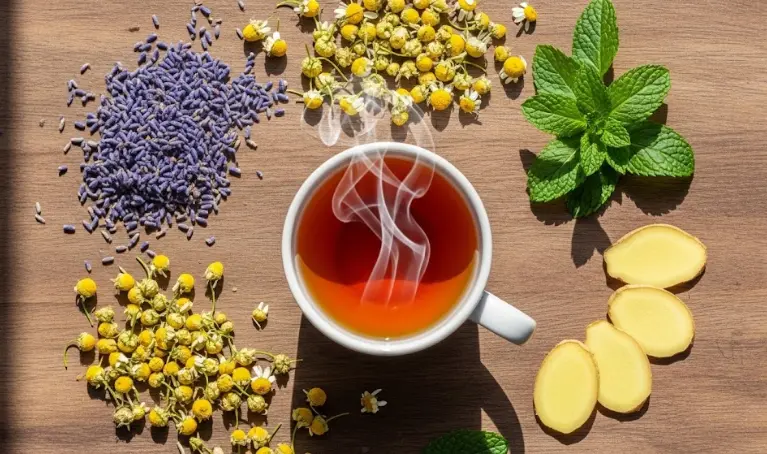
Quick answer: Herbal teas offer powerful health benefits including immune system support, digestive relief, stress reduction, anti-inflammatory effects, and improved sleep quality through naturally caffeine-free plant compounds. Unlike true teas (green, black, oolong) made from Camellia sinensis, herbal teas are infusions of flowers, roots, leaves, and spices that provide therapeutic benefits without caffeine, making them safe for daily consumption and evening drinking.
Most important to know: Herbal teas are not just comforting beverages; they’re functional medicine backed by centuries of traditional use and growing scientific research. Different herbal teas target specific health concerns: chamomile for sleep and anxiety, ginger for nausea and inflammation, peppermint for digestion, echinacea for immunity, and hibiscus for blood pressure, allowing you to choose teas based on your health goals.
The global shift toward natural wellness has sparked renewed interest in herbal remedies, with herbal tea consumption growing 15-20% annually as people seek alternatives to pharmaceuticals for everyday health issues. From ancient Ayurvedic and Traditional Chinese Medicine to modern clinical studies, herbal teas bridge traditional wisdom and evidence-based wellness.
This complete 2026 guide covers the health benefits of herbal teas, most beneficial types, how to choose and prepare them, safety considerations, and which herbal teas target specific health conditions.
What is Herbal Tea? (Tisane vs. True Tea)
The Technical Difference
True tea: Made from Camellia sinensis plant leaves
- Green tea
- Black tea
- White tea
- Oolong tea
- Pu-erh tea
Herbal tea (tisane): Infusion of any plant material except Camellia sinensis
- Flowers (chamomile, hibiscus, lavender)
- Roots (ginger, turmeric, dandelion)
- Leaves (peppermint, nettle, lemon balm)
- Seeds (fennel, anise)
- Bark (cinnamon)
- Fruits (rosehip, blueberry)
Why the distinction matters:
- True teas contain caffeine (unless decaf)
- Herbal teas are naturally caffeine-free
- Different health benefits and active compounds
- No cross-tolerance or dependence with herbal teas
In this guide, “herbal tea” refers specifically to tisanes (non-Camellia infusions), though we’ll note when true teas offer complementary benefits.
How Herbal Teas Work
Herbal teas deliver therapeutic compounds through:
- Polyphenols: Antioxidants that fight cellular damage
- Flavonoids: Anti-inflammatory and vascular health supporters
- Essential oils: Aromatic compounds with antimicrobial effects
- Terpenes: Pain-relieving and mood-supporting molecules
- Vitamins and minerals: Direct nutritional support
Bioavailability: Hot water extraction releases these compounds from plant matter, making them absorbable through digestion. Steam inhalation while drinking adds aromatherapy benefits.
Top 10 Health Benefits of Herbal Tea
1. Immune System Support
How herbal teas boost immunity:
- Antioxidants neutralize free radicals
- Antimicrobial compounds fight pathogens
- Anti-inflammatory effects reduce immune system burden
- Vitamin C content (in some varieties) supports immune cells
Best herbal teas for immunity:
- Echinacea: Stimulates white blood cell production, reduces cold duration by 1.4 days (meta-analysis)
- Elderberry: Antiviral properties, especially against influenza
- Ginger: Contains gingerols with antimicrobial effects
- Turmeric: Curcumin modulates immune response
- Astragalus: Adaptogenic immune tonic
When to drink: Daily during cold/flu season, or at first sign of illness (3-4 cups/day)
Supporting your immune system through herbal remedies complements other natural approaches, including understanding how to strengthen immunity through morning habits like drinking warm water.
2. Digestive Health and Relief
Digestive benefits:
- Relieves bloating, gas, and cramping
- Stimulates digestive enzyme production
- Soothes irritated digestive lining
- Reduces nausea and motion sickness
- Supports healthy gut motility
Best herbal teas for digestion:
- Peppermint: Relaxes digestive muscles, reduces IBS symptoms by 40% (studies)
- Ginger: Proven anti-nausea effects, aids gastric emptying
- Fennel: Carminative (reduces gas), soothes stomach cramps
- Chamomile: Anti-inflammatory for digestive tract
- Dandelion root: Stimulates bile production, supports liver
How to use: Drink 30 minutes after heavy meals, or when experiencing digestive discomfort
3. Stress Reduction and Better Sleep
Calming mechanisms:
- GABA (gamma-aminobutyric acid) enhancement
- Nervous system relaxation
- Cortisol (stress hormone) reduction
- Melatonin pathway support
Best herbal teas for stress and sleep:
- Chamomile: Apigenin binds to brain receptors like mild sedative, reduces anxiety
- Lavender: Aromatherapy + ingestion calms nervous system
- Valerian root: Increases GABA, improves sleep quality (studies show 80% improvement)
- Passionflower: Reduces anxiety as effectively as some pharmaceuticals (research)
- Lemon balm: Calms mind, improves sleep onset time
Timing: Drink 30-60 minutes before bed for sleep; anytime for stress relief
The relaxing properties found in herbal teas like chamomile and lavender work through natural compounds that promote calmness without the dependency risks of pharmaceutical sleep aids.
4. Anti-Inflammatory Effects
Inflammation and disease: Chronic inflammation underlies heart disease, diabetes, arthritis, autoimmune conditions, and accelerated aging.
Anti-inflammatory herbal teas:
- Turmeric (golden milk tea): Curcumin blocks inflammatory pathways (COX-2, NF-kB)
- Ginger: Gingerols reduce inflammatory markers by 25-30%
- Green tea + herbs: EGCG polyphenols (though green tea has caffeine)
- Hibiscus: Anthocyanins reduce systemic inflammation
- Rosehip: High in polyphenols, vitamin C supports anti-inflammatory response
Effective dosage: 2-4 cups daily for chronic inflammation management
Conditions benefited: Arthritis pain, inflammatory bowel conditions, skin inflammation, general aches
5. Heart Health and Blood Pressure
Cardiovascular benefits:
- Lowers blood pressure (hypertension)
- Reduces LDL “bad” cholesterol
- Prevents arterial plaque formation
- Improves blood vessel function
- Reduces heart disease risk
Best herbal teas for heart health:
- Hibiscus: Lowers systolic BP by 7.5 mmHg, diastolic by 3.5 mmHg (comparable to some medications)
- Hawthorn: Strengthens heart muscle, improves circulation
- Rooibos: Quercetin improves cardiovascular function
- Rosemary: Improves circulation, protects blood vessels
- Chrysanthemum: Traditional Chinese Medicine for BP regulation
Important: Consult doctor if taking blood pressure medications, as herbal teas can enhance effects
6. Antioxidant Protection and Anti-Aging
What antioxidants do:
- Neutralize free radicals (unstable molecules)
- Prevent DNA, protein, and lipid damage
- Slow cellular aging
- Reduce cancer risk
- Protect skin from UV damage
Highest antioxidant herbal teas:
- Hibiscus: ORAC value rivals pomegranate
- Rooibos: Aspalathin unique to rooibos, powerful antioxidant
- Rosehip: Extremely high vitamin C (20x more than oranges)
- Mint family: Rosmarinic acid scavenges free radicals
Daily consumption: 2-3 cups provides significant antioxidant load
7. Detoxification and Liver Support
How herbal teas support detox:
- Stimulate liver enzyme production (phase I and II detox)
- Support kidney function (gentle diuretic effect)
- Increase bile flow (aids toxin excretion)
- Provide antioxidants to protect detox organs
Best detoxifying herbal teas:
- Dandelion root: Liver tonic, increases bile production
- Milk thistle: Silymarin protects and regenerates liver cells
- Burdock root: Blood purifier, supports kidney function
- Nettle leaf: Gentle diuretic, mineral-rich
- Red clover: Lymphatic system support
Detox tea timing: Morning on empty stomach, or before bed
Realistic expectations: Herbal teas support natural detoxification; they’re not “miracle cleanses” or substitutes for medical treatment of liver disease
8. Hormonal Balance (Especially for Women)
Women’s health benefits:
- Menstrual cramp relief
- PMS symptom reduction
- Menopausal hot flash management
- Fertility support
- Lactation support (galactagogues)
Best herbal teas for hormonal health:
- Red raspberry leaf: Uterine tonic, reduces labor time (pregnancy-safe in 2nd-3rd trimester)
- Chasteberry (Vitex): Balances progesterone, reduces PMS
- Dong quai: Traditional “female ginseng” for menstrual regulation
- Spearmint: Reduces excess androgens (helpful for PCOS)
- Fenugreek: Increases milk production in nursing mothers
Important: Consult healthcare provider before using herbal teas for hormonal issues, especially if pregnant, nursing, or on hormones
9. Pain Relief (Natural Analgesic)
Pain-relieving mechanisms:
- Anti-inflammatory effects reduce pain signals
- Muscle relaxation (antispasmodic)
- Nerve pain modulation
- Improved circulation to painful areas
Best herbal teas for pain:
- Willow bark: Contains salicin (aspirin precursor)
- Feverfew: Migraine prevention, reduces frequency by 20-30%
- Ginger: Effective for muscle pain, menstrual cramps
- Turmeric: Joint pain, arthritis relief
- Peppermint: Tension headaches, muscle spasms
Effective use: Drink at onset of pain, continue 2-3 cups throughout day
10. Respiratory Health and Allergy Relief
Respiratory benefits:
- Opens airways (bronchodilation)
- Reduces mucus production
- Soothes throat irritation
- Antimicrobial for respiratory infections
- Reduces allergic response
Best herbal teas for respiratory health:
- Thyme: Antispasmodic for coughs, antimicrobial
- Eucalyptus: Opens airways, steam inhalation beneficial
- Licorice root: Soothes throat, expectorant properties
- Mullein: Traditional lung tonic, reduces coughing
- Nettle: Natural antihistamine for allergies
How to use: Drink 3-4 cups during illness; inhale steam while drinking for double benefit
Most Beneficial Herbal Teas (Detailed Breakdown)
Chamomile: The Calming Classic
Primary benefits: Sleep, anxiety, digestion, inflammation
Active compounds: Apigenin (binds benzodiazepine receptors), bisabolol (anti-inflammatory), chamazulene (antioxidant)
Evidence:
- Reduces sleep onset time by 15 minutes (German study)
- Decreases generalized anxiety disorder symptoms by 50% (Penn State research)
- Soothes digestive inflammation (traditional + modern evidence)
Best for: Evening relaxation, stress management, upset stomach, skin inflammation (topical + internal)
Flavor: Mild, slightly sweet, apple-like
Preparation: Steep 1-2 teaspoons dried flowers in 8 oz boiling water for 5 minutes
Safety: Very safe; rare allergies in ragweed-sensitive people
The gentle, non-habit-forming properties of chamomile make it ideal for nightly use without building tolerance, unlike pharmaceutical sleep aids.
Ginger: The Digestive Powerhouse
Primary benefits: Nausea, inflammation, immunity, circulation
Active compounds: Gingerols, shogaols (anti-inflammatory), zingerone (antioxidant)
Evidence:
- Reduces nausea 75% in pregnancy (safe dose: 1g/day)
- Decreases muscle pain by 25% (post-exercise)
- Lowers inflammatory markers in arthritis patients
Best for: Morning sickness, motion sickness, digestive upset, cold/flu, joint pain
Flavor: Spicy, warming, slightly sweet
Preparation: Simmer 1-inch fresh ginger (sliced) in 2 cups water for 10 minutes
Combinations: Lemon (vitamin C boost), honey (throat soothing), turmeric (enhanced anti-inflammatory)
The versatility of ginger tea makes it valuable as both a preventive daily tonic and acute remedy for specific digestive or inflammatory complaints.
Peppermint: The Digestive Soother
Primary benefits: IBS, bloating, headaches, focus
Active compounds: Menthol (muscle relaxant), menthone (digestive stimulant)
Evidence:
- Reduces IBS symptoms by 40% (multiple RCTs)
- Relieves tension headaches when applied topically + consumed
- Improves mental alertness and focus
Best for: After meals (digestive aid), afternoon pick-me-up (no caffeine), headache relief
Flavor: Cool, refreshing, minty
Preparation: Steep 1 tablespoon fresh or 1 teaspoon dried peppermint in 8 oz boiling water for 7 minutes
Caution: Can worsen GERD/acid reflux in some people (relaxes lower esophageal sphincter)
For comprehensive digestive support, peppermint tea’s antispasmodic properties complement other gut-healing approaches effectively.
Hibiscus: The Blood Pressure Regulator
Primary benefits: Blood pressure, cholesterol, antioxidants, weight management
Active compounds: Anthocyanins (antioxidants), organic acids (blood pressure)
Evidence:
- Lowers BP as effectively as some medications (7.5/3.5 mmHg reduction)
- Decreases LDL cholesterol by 12%
- High ORAC antioxidant value (comparable to berries)
Best for: Hypertension, heart health, antioxidant boost, summer refreshment (delicious iced)
Flavor: Tart, cranberry-like, slightly tangy
Preparation: Steep 1-2 teaspoons dried hibiscus in 8 oz boiling water for 5-7 minutes
Important: Can lower blood pressure significantly; monitor if on BP meds
Similar to other berry-based teas, hibiscus provides concentrated antioxidants with cardiovascular benefits.
Rooibos: The Mineral-Rich Antioxidant
Primary benefits: Antioxidants, bone health, allergies, skin health
Active compounds: Aspalathin (unique to rooibos), quercetin (anti-allergenic), minerals (calcium, magnesium, zinc)
Evidence:
- Improves bone density (manganese content)
- Reduces allergic response
- Protects skin from UV damage (topical + internal)
- Caffeine-free with antioxidants comparable to green tea
Best for: All-day drinking (mild, pleasant), children (safe, naturally sweet), allergy season
Flavor: Naturally sweet, slightly nutty, no bitterness
Preparation: Steep 1 teaspoon in 8 oz boiling water for 5-10 minutes (doesn’t get bitter with longer steeping)
Bonus: Safe for pregnancy, nursing, and children
The naturally sweet taste and exceptional safety profile make rooibos an excellent introduction to herbal teas for those transitioning from sweetened beverages.
Echinacea: The Immune Booster
Primary benefits: Cold/flu prevention, immune stimulation, infection fighting
Active compounds: Polysaccharides (immune activation), alkamides (anti-inflammatory), glycoproteins (antiviral)
Evidence:
- Reduces cold duration by 1.4 days (meta-analysis)
- Decreases cold incidence by 58% when taken preventively
- Stimulates macrophage activity (immune cell function)
Best for: Cold/flu season prevention, acute illness support, chronic immune weakness
Flavor: Earthy, slightly bitter, tingly sensation on tongue
Preparation: Steep 1-2 teaspoons dried echinacea in 8 oz boiling water for 10-15 minutes
Important: Don’t use long-term continuously; cycle 2 weeks on, 1 week off to maintain effectiveness
Building immunity through echinacea works synergistically with other immune-supporting practices throughout the year.
How to Choose Quality Herbal Teas
Organic vs. Conventional
Why organic matters:
- Herbs concentrate pesticides from soil
- Many herbal teas are consumed in high quantities
- Organic certification ensures no synthetic pesticides
When organic is essential:
- Nettles, dandelion, red clover (bioaccumulators)
- Daily-use teas (chamomile, peppermint)
- Teas for detoxification purposes
When conventional is acceptable:
- Occasional use
- Teas from reputable brands with testing
- Budget constraints (better some herbal tea than none)
Whole Herbs vs. Tea Bags
Whole/loose herbs:
- ✅ More potent (less oxidation)
- ✅ Better flavor
- ✅ Control strength by adjusting amount
- ❌ Requires strainer/infuser
- ❌ Less convenient
Tea bags:
- ✅ Convenient
- ✅ Portable
- ❌ Often lower quality (dust, fannings)
- ❌ Fixed strength
- ❌ Some bags contain plastic (check for unbleached, plastic-free)
Best of both: Loose herbs at home, quality sachets for travel/work
Storage and Shelf Life
Proper storage:
- Airtight containers (glass jars ideal)
- Cool, dark, dry location
- Away from spices (herbs absorb odors)
Shelf life:
- Flowers, leaves: 1-2 years
- Roots, bark: 2-3 years
- Once opened: 6-12 months for best potency
Signs of old herbs: Faded color, weak aroma, dusty texture
Reading Labels
What to look for:
- ✅ Organic certification
- ✅ Single-herb or clear blend ingredients
- ✅ Harvest/expiration date
- ✅ Origin country
- ✅ Third-party testing seals
Red flags:
- ❌ “Proprietary blend” without ingredient amounts
- ❌ Added flavors or sweeteners (unless desired)
- ❌ No origin or testing information
- ❌ Unrealistic health claims on packaging
How to Prepare Herbal Tea for Maximum Benefits
Water Temperature
Optimal temperatures:
- Delicate flowers (chamomile, lavender): 190-200°F (just below boiling)
- Leaves (peppermint, nettle, lemon balm): 200-212°F (full boil)
- Roots and bark (ginger, dandelion, cinnamon): 212°F (rolling boil), then simmer 10-20 min
Why temperature matters: Too hot destroys volatile oils; too cool under-extracts compounds
Steeping Time
General guidelines:
- Flowers: 5-7 minutes
- Leaves: 5-10 minutes
- Roots/bark: 10-20 minutes (or simmer)
- Seeds (fennel, anise): 10-15 minutes, covered
Longer doesn’t always = stronger: Some herbs (chamomile) release bitter compounds after 7+ minutes
Rule: Cover while steeping to trap volatile essential oils (especially mints, lemon balm, eucalyptus)
Dosage Guidelines
Standard dose: 1-2 teaspoons dried herb per 8 oz water (1 cup)
Stronger medicinal dose: 3-4 teaspoons per 8 oz (for acute conditions)
Daily consumption limits:
- Most herbs: 3-4 cups daily safe
- Strong medicinals (echinacea, valerian): Follow specific guidelines
- Diuretics (dandelion, nettle): Monitor hydration
Enhancing Effectiveness
Add for better absorption:
- Black pepper: Increases turmeric absorption by 2000%
- Healthy fat: Small amount coconut oil helps fat-soluble compounds
- Lemon: Vitamin C enhances iron absorption from some herbs
Flavor enhancers (without reducing benefits):
- Raw honey (antimicrobial, soothing)
- Fresh lemon/lime
- Cinnamon stick
- Fresh mint
- Stevia (natural, zero-calorie)
Herbal Tea Combinations for Specific Health Goals
Immune Booster Blend
Ingredients:
- 2 parts echinacea
- 1 part elderberry
- 1 part ginger
- 1 part rosehip
- ½ part cinnamon
Preparation: Simmer roots/bark 10 min, add flowers/leaves, steep 10 more min
When to use: Daily during cold season, or 3-4 cups at first sign of illness
Digestive Soother Blend
Ingredients:
- 2 parts peppermint
- 1 part chamomile
- 1 part fennel
- ½ part ginger
When to use: After heavy meals, for bloating, IBS flares
Sleep and Relaxation Blend
Ingredients:
- 2 parts chamomile
- 1 part lavender
- 1 part lemon balm
- ½ part valerian (optional, stronger sedative)
When to use: 30-60 minutes before bed
Anti-Inflammatory Blend
Ingredients:
- 2 parts turmeric
- 1 part ginger
- 1 part rosehip
- ½ part black pepper (essential for turmeric absorption)
- Pinch cinnamon
When to use: Daily for chronic inflammation, arthritis, post-workout
Similar comprehensive blends appear in traditional preparations like the synergistic combination of cinnamon and bay leaf for metabolic support.
Safety, Side Effects, and Precautions
Generally Safe Herbal Teas (Daily Use)
Very safe for most people:
- Chamomile
- Peppermint
- Rooibos
- Hibiscus
- Lemon balm
- Ginger (moderate amounts)
Mild side effects possible: Allergies (rare), digestive upset if overly strong
Herbal Teas to Use with Caution
Diuretic herbs (increase urination):
- Dandelion, nettle, parsley
- Caution: Can deplete potassium if overused; stay hydrated
Blood pressure lowering:
- Hibiscus, hawthorn
- Caution: Monitor if on BP medication; can cause lightheadedness
Sedative herbs:
- Valerian, passionflower, kava
- Caution: Don’t drive or operate machinery; don’t combine with alcohol/sedatives
Stimulating herbs:
- Licorice root (can raise BP in high doses)
- Caution: Avoid with hypertension, heart conditions
Pregnancy and Nursing Considerations
Generally safe during pregnancy (moderate use):
- Ginger (first trimester nausea, max 1g/day)
- Peppermint (after first trimester)
- Rooibos
- Chamomile (small amounts)
Avoid during pregnancy:
- Strong uterine stimulants: Pennyroyal, blue cohosh, black cohosh
- Hormonal herbs: Dong quai, vitex
- High-dose herbal blends
Safe for nursing:
- Fenugreek (increases milk supply)
- Fennel (galactagogue)
- Chamomile, rooibos
Always consult OB/GYN: Individual circumstances vary
Drug Interactions
Herbal teas can interact with medications:
Blood thinners (warfarin):
- Avoid: Chamomile, ginger (high doses), licorice
- Reason: Can enhance or reduce anticoagulation
Blood pressure medications:
- Caution: Hibiscus, hawthorn (enhance BP lowering)
- Monitor: May need medication adjustment
Diabetes medications:
- Caution: Cinnamon, fenugreek (lower blood sugar)
- Monitor: Risk of hypoglycemia if combined
Sedatives/anti-anxiety:
- Caution: Valerian, passionflower, chamomile
- Reason: Additive sedation effects
Rule: Inform your doctor about all herbal teas you consume regularly
Allergies
Common allergens:
- Ragweed family: Chamomile, echinacea, feverfew
- Asteraceae family: Dandelion, calendula
Symptoms: Itching, rash, difficulty breathing, digestive upset
First-time use: Try small amount, wait 24 hours before regular consumption
When to Drink Herbal Tea for Best Results
Morning (Energizing, Digestive)
Best morning herbal teas:
- Ginger (metabolism boost, digestive prep)
- Peppermint (mental clarity, no caffeine)
- Rooibos (gentle energy, minerals)
- Yerba mate (if accepting caffeine-containing)
Why: Prepares digestive system, provides antioxidants, gentle energy without caffeine crash
Starting your day with warming beverages that support metabolism complements the well-documented benefits of drinking warm water in the morning for digestive activation.
Afternoon (Focus, Immune Support)
Best afternoon herbal teas:
- Peppermint (focus without caffeine)
- Rosemary (memory, circulation)
- Ginseng (adaptogenic energy)
- Echinacea (immune support)
Why: Maintains energy, supports immunity without disrupting sleep later
Evening (Relaxation, Sleep)
Best evening herbal teas:
- Chamomile (sleep onset)
- Lavender (calming aromatherapy)
- Valerian (deep sleep)
- Passionflower (anxiety reduction)
- Lemon balm (gentle relaxation)
Timing: 30-60 minutes before bed for sleep; anytime for stress relief
Why: Caffeine-free, promotes relaxation, supports sleep quality
Before/After Meals
Before meals (appetite, digestion prep):
- Bitter herbs: Dandelion, gentian (stimulate digestion)
- Ginger (nausea prevention)
After meals (digestive aid):
- Peppermint (reduces bloating)
- Fennel (carminative)
- Chamomile (soothes stomach)
Why: Supports digestive enzyme production, reduces discomfort
During Illness
At first symptoms:
- Echinacea (immune stimulation)
- Elderberry (antiviral)
- Ginger (antimicrobial, anti-inflammatory)
During illness:
- Thyme (respiratory)
- Licorice root (sore throat)
- Peppermint (congestion)
- Chamomile (rest, inflammation)
Frequency: 3-5 cups daily during acute illness
Herbal Tea FAQs
What are the main health benefits of herbal tea?
Herbal teas provide immune support, digestive relief, stress reduction, anti-inflammatory effects, improved sleep, cardiovascular health, antioxidant protection, and pain relief through naturally caffeine-free plant compounds that are safe for daily consumption and target specific health concerns.
Is it healthy to drink herbal tea every day?
Yes, drinking 2-4 cups of herbal tea daily is healthy for most people when using safe herbs like chamomile, peppermint, ginger, rooibos, and hibiscus; however, rotate varieties, stay hydrated with water, and consult a doctor if pregnant, nursing, or taking medications.
Which herbal tea is healthiest?
No single “healthiest” tea exists, but hibiscus (blood pressure, antioxidants), chamomile (sleep, digestion, anxiety), ginger (inflammation, nausea, immunity), and rooibos (minerals, antioxidants, allergies) rank highest for versatile, research-backed benefits with excellent safety profiles.
What does herbal tea do for your body?
Herbal tea delivers therapeutic plant compounds (polyphenols, flavonoids, essential oils) through hot water extraction that reduce inflammation, support immune function, aid digestion, promote relaxation, provide antioxidants, improve circulation, and offer targeted benefits depending on the specific herbs consumed.
Can herbal tea boost immune system?
Yes, certain herbal teas boost immunity through antimicrobial compounds (echinacea, elderberry, ginger), antioxidants that protect immune cells (rosehip, hibiscus), anti-inflammatory effects that reduce immune burden (turmeric), and vitamins that support immune function (vitamin C in rosehip).
Is herbal tea good for inflammation?
Yes, herbal teas like turmeric (curcumin blocks inflammatory pathways), ginger (gingerols reduce inflammatory markers by 25-30%), hibiscus (anthocyanins), and rosehip (polyphenols) effectively reduce systemic inflammation when consumed regularly at 2-4 cups daily.
Does herbal tea help with digestion?
Yes, herbal teas aid digestion through carminative effects (peppermint, fennel reduce gas), muscle relaxation (peppermint for IBS), anti-nausea properties (ginger), anti-inflammatory soothing (chamomile), and bile stimulation (dandelion root); drink 30 minutes after meals for best results.
What tea is best for sleep?
Chamomile, valerian root, lavender, passionflower, and lemon balm are best for sleep because they contain compounds that bind to brain receptors promoting relaxation, reduce anxiety, and improve sleep quality without dependency; drink 30-60 minutes before bed.
Conclusion: Making Herbal Tea Part of Your Wellness Routine
Herbal tea bridges ancient healing traditions and modern evidence-based wellness. Unlike pharmaceutical approaches that often treat symptoms with side effects, herbal teas offer gentle, multi-faceted support for body systems through compounds plants developed over millions of years of evolution.
The beauty of herbal tea:
- Accessible: Affordable, widely available, easy to prepare
- Safe: Minimal side effects when used appropriately
- Versatile: Target specific concerns or enjoy general wellness
- Ritual: The act of preparation and mindful drinking adds stress-relief benefits
- Delicious: Functional medicine that tastes good
Starting your herbal tea practice:
- Choose 2-3 herbs addressing your primary health goals
- Drink 2-3 cups daily for 2-4 weeks (consistency matters)
- Pay attention to how you feel (energy, sleep, digestion, pain)
- Rotate herbs monthly to prevent tolerance and discover new favorites
- Combine with healthy lifestyle (diet, exercise, sleep, stress management)
Realistic expectations:
- Herbal teas are complementary, not replacement for medical care
- Effects are gentle and cumulative (not instant)
- Quality matters (organic, properly stored, reputable sources)
- Individual responses vary (what works for others may not work identically for you)
The global shift toward plant-based wellness reflects growing recognition that food and herbs are our first medicine. A daily cup of herbal tea is a simple, pleasurable way to support your body’s natural healing capacity while connecting to centuries of traditional wisdom.
Start where you are. Choose one herbal tea that addresses your biggest health concern. Make it a daily ritual. Notice the changes. Your body will thank you.