

The “pink salt trick” for weight loss has exploded across TikTok and social media, with millions of users claiming Himalayan pink salt water helps them shed pounds rapidly. Proponents tout this simple drink as a metabolism booster, detoxifier, and belly fat burner that requires just adding pink salt to water or lemon juice.
But does the pink salt trick actually work for weight loss, or is it another viral health fad without scientific backing? This comprehensive guide examines the pink salt weight loss recipe, analyzes the science behind Himalayan salt’s purported benefits, and provides honest answers about whether adding pink salt to your diet can help you lose weight safely and effectively.
What Is the Pink Salt Trick for Weight Loss?
The pink salt trick refers to various recipes combining Himalayan pink salt with water, lemon juice, or other ingredients, consumed with the goal of accelerating weight loss. The most common versions include pink salt water (dissolving 1/4 teaspoon pink salt in 8-10 oz water), lemon pink salt water (adding fresh lemon juice to salt water), and “sole water” (supersaturated pink salt solution diluted in drinking water).
What Are the Three Ingredients in the Pink Salt Trick on TikTok?
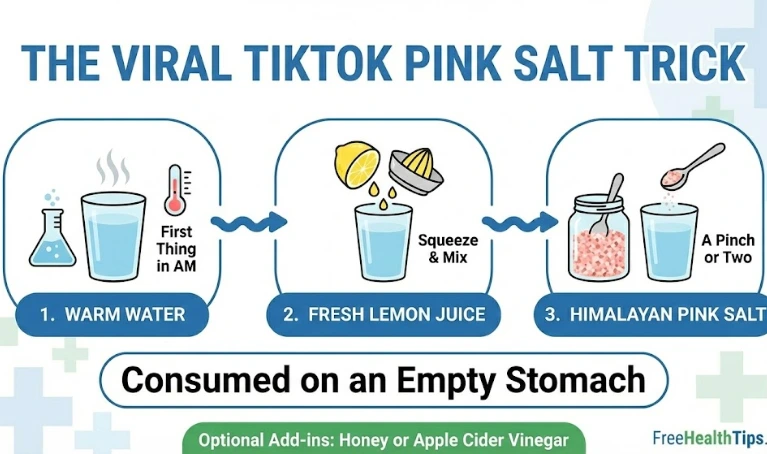
The viral TikTok pink salt trick typically combines warm water, fresh lemon juice, and Himalayan pink salt consumed first thing in the morning on an empty stomach. Some versions add honey or apple cider vinegar, though the basic recipe remains water, lemon, and pink salt.
The Pink Salt Diet Recipe
The standard pink salt weight loss recipe includes:
Basic Pink Salt Water:
- 8-10 oz warm or room temperature water
- 1/4 teaspoon Himalayan pink salt
- Stir until dissolved and drink on empty stomach
Pink Salt Lemon Water:
- 8-10 oz warm water
- Juice of half a lemon (approximately 1-2 tablespoons)
- 1/4 teaspoon Himalayan pink salt
- Optional: 1 teaspoon raw honey
Directions: Mix ingredients until salt dissolves completely. Drink first thing in the morning 20-30 minutes before breakfast. Some versions recommend drinking this 2-3 times daily before meals.
What Is Himalayan Pink Salt?
Himalayan pink salt is rock salt mined from ancient sea beds in the Khewra Salt Mine in Pakistan, near the Himalayan mountain range. The distinctive pink color comes from trace minerals including iron, magnesium, potassium, and calcium that give the salt its rosy hue.
Unlike heavily processed table salt, pink Himalayan salt undergoes minimal processing and retains more minerals—though the nutritional differences are relatively minor. Pink salt contains approximately 98% sodium chloride with 2% trace minerals, while table salt is 99.9% sodium chloride with added iodine.
Pink Salt vs. Regular Salt
Mineral Content: Pink salt contains 84 trace minerals (though in tiny amounts). Regular table salt has added iodine for thyroid health.
Processing: Himalayan salt is hand-mined and less refined. Table salt is heavily processed and may contain anti-caking agents.
Sodium Content: Both contain similar sodium levels (approximately 2,300mg per teaspoon). Pink salt is not lower in sodium despite marketing claims.
Taste: Pink salt has a slightly milder, less harsh taste according to many people.
The reality is that while pink salt contains more minerals than table salt, the amounts are negligible and unlikely to significantly impact health or weight loss through normal dietary consumption.
The Science Behind Pink Salt and Weight Loss
Claims about pink salt facilitating weight loss center on several proposed mechanisms, though scientific evidence supporting these claims is limited or non-existent.
Metabolism Boost Claims
The Claim: Pink salt increases metabolic rate, helping your body burn more calories throughout the day.
The Science: No peer-reviewed research demonstrates that consuming Himalayan pink salt increases metabolism or calorie burning. While the body does expend minimal energy processing food (thermic effect of food), salt itself doesn’t significantly increase this effect. Metabolism is primarily determined by factors like age, sex, muscle mass, genetics, and activity level, not salt type or consumption timing.
Hydration and Water Weight
The Claim: Pink salt improves hydration, which helps reduce water retention and bloating.
The Science: Sodium does help the body retain water for proper hydration, and adequate hydration is important for overall health. However, the paradox is that consuming more sodium typically causes water retention (bloating) rather than reducing it. When you consume salt, your body holds onto water to maintain proper sodium-to-water balance, potentially causing temporary weight gain from water retention.
True sustained weight loss requires reducing body fat, not just water weight. While you might see the scale drop after a day of low sodium intake due to water loss, this doesn’t represent actual fat loss and isn’t sustainable.
Detoxification Claims
The Claim: Himalayan salt “detoxes” the body by removing toxins and waste products that interfere with weight loss.
The Science: The concept of needing to “detox” your body is largely a myth. Your liver and kidneys are highly efficient at removing waste products and toxins without needing assistance from special drinks or supplements. No scientific evidence supports the idea that pink salt helps “detox” your body or that supposed toxins prevent weight loss.
Appetite Suppression
The Claim: Drinking salt water before meals reduces appetite and helps you eat less.
The Science: Drinking any liquid before meals can create a sense of fullness, potentially reducing calorie intake during the meal. However, this effect isn’t specific to pink salt water, plain water would work equally well. Some research suggests that adequate hydration throughout the day may support weight loss efforts by preventing mistaken thirst for hunger, but again, this doesn’t require pink salt specifically.
Potential Benefits of Himalayan Salt Water
While pink salt doesn’t possess magical weight loss properties, consuming it in moderation may offer some general health benefits.
Electrolyte Balance
Sodium is an essential electrolyte that helps maintain fluid balance, supports nerve function, and aids muscle contractions. For people who exercise heavily and lose significant sodium through sweat, adding a small amount of pink salt to water can help replenish electrolytes—though this is equally achievable with regular salt.
Hydration Support
Adding a pinch of salt to water can slightly enhance hydration by helping your body retain the water you consume rather than excreting it quickly. This is the principle behind oral rehydration solutions. However, excessive sodium has the opposite effect, leading to dehydration.
Trace Mineral Intake
While the mineral amounts in pink salt are small, consuming it does provide trace amounts of minerals like magnesium, potassium, iron, and calcium. However, you’d need to consume dangerous amounts of salt to obtain significant nutritional benefit from these minerals, better to get minerals from vegetables, fruits, and whole grains.
Pink Salt Weight Loss: What Does Research Actually Say?
Scientific research specifically examining pink Himalayan salt for weight loss is essentially non-existent. The studies that do exist focus on general salt consumption and its effects on health, not weight loss.
Studies on Salt and Weight
Research on sodium intake and body weight shows mixed results:
Water Retention: High sodium intake consistently increases water retention, causing temporary weight gain on the scale that doesn’t represent fat gain.
Calorie Intake: Some studies suggest high-sodium diets may be associated with increased calorie consumption, potentially because salty foods are often high-calorie processed foods and because salt can enhance appetite.
No Direct Fat Loss: No credible studies show that consuming salt of any kind directly burns fat or accelerates fat loss.
The Lemon Component
The lemon juice often included in pink salt weight loss recipes has been studied more extensively than pink salt itself:
Vitamin C: Lemons provide vitamin C, an antioxidant supporting overall health.
Hydration: Adding lemon to water makes it more palatable for some people, potentially increasing water intake.
Metabolism: A 2008 study in mice (not humans) suggested that polyphenols in lemon might suppress body fat accumulation, though this hasn’t been replicated in well-designed human trials.
The bottom line is that while lemon water is a healthy beverage choice, it’s not a proven weight loss tool on its own.
Pink Salt Trick Reviews: What Do Users Report?
Online reviews and testimonials about the pink salt trick show mixed results, with experiences ranging from dramatic success claims to complete disappointment.
Positive Reviews Often Cite:
- Reduced bloating and feeling less puffy
- Increased energy levels in the morning
- Better digestion and regularity
- Modest weight loss (typically 2-5 pounds)
- Improved hydration and skin appearance
Negative Reviews Report:
- No weight loss despite consistent use
- Increased bloating and water retention
- Unpleasant taste making compliance difficult
- Digestive discomfort or nausea
- Feeling thirsty and needing more water throughout the day
The Placebo Effect
It’s important to consider that some reported benefits may result from the placebo effect, believing something will work makes you more likely to perceive benefits. Additionally, people who start a new “weight loss trick” often simultaneously make other healthier choices (eating better, exercising more, drinking more water overall) that actually drive the weight loss, though they attribute results to the salt water.
Understanding your body’s needs, including maintaining healthy digestion and taste function, contributes to overall wellness. Learn more about how to get rid of swollen taste buds which can affect how you perceive the taste of foods and beverages like salt water.
How to Use Pink Salt for Weight Loss (If You Choose To)
If you want to try incorporating pink salt into your routine despite limited evidence, here’s how to do so safely:
Safe Preparation Method
- Use high-quality Himalayan pink salt from a reputable source
- Dissolve 1/8 to 1/4 teaspoon in 8-10 oz water (never exceed 1/4 teaspoon per serving)
- Add fresh lemon juice if desired for flavor and vitamin C
- Drink on an empty stomach, waiting 20-30 minutes before eating
- Limit to once daily, preferably in the morning
Important Safety Guidelines
Don’t exceed recommended amounts: More is not better with salt. Excessive sodium intake raises blood pressure and increases health risks.
Monitor your total sodium intake: Remember that pink salt water adds to your daily sodium consumption from food. Most adults should limit sodium to 2,300mg daily (about 1 teaspoon of salt).
Stay hydrated: Drink plenty of plain water throughout the day, not just salt water.
Listen to your body: Stop immediately if you experience adverse effects like nausea, headaches, increased thirst, or swelling.
Pink Salt Weight Loss Side Effects
While small amounts of pink salt in water are generally safe for healthy adults, potential side effects include:
Common Side Effects
Increased Thirst: Sodium draws water into your bloodstream, potentially making you thirstier than usual.
Water Retention: Paradoxically, consuming salt can cause your body to hold extra water, leading to puffiness and temporary weight gain.
Digestive Discomfort: Some people experience nausea, stomach upset, or diarrhea, especially when consuming salt water on an empty stomach.
Headaches: Changes in sodium levels can trigger headaches in sensitive individuals.
Serious Risks for Some Populations
High Blood Pressure: People with hypertension or prehypertension should avoid increasing sodium intake as it can elevate blood pressure further.
Kidney Disease: Those with kidney problems should not increase sodium consumption without medical supervision, as kidneys regulate sodium balance.
Heart Failure: Excess sodium worsens fluid retention in people with heart failure.
Pregnancy: Pregnant women should consult healthcare providers before trying any weight loss methods, including salt water drinks.
If you have any chronic health conditions or take medications, consult your doctor before adding significant amounts of salt to your diet.
Effective Alternatives to the Pink Salt Trick
If you’re looking for evidence-based strategies that actually support sustainable weight loss, consider these proven approaches:
Hydration Without the Salt
Plain water or water flavored with lemon, cucumber, or mint provides hydration benefits without added sodium. Adequate water intake supports metabolism, helps control appetite, and improves energy levels.
Green Tea for Weight Loss
Unlike pink salt water, green tea has actual scientific support for weight loss assistance. Catechins in green tea may modestly boost metabolism and fat burning. Learning the best time to drink green tea for weight loss helps maximize potential benefits.
Calorie Tracking and Deficit
The fundamental requirement for fat loss is creating a calorie deficit, consuming fewer calories than you burn. Track your food intake using apps to ensure you’re in a deficit while meeting nutritional needs.
Increased Physical Activity
Exercise burns calories and builds muscle mass, which increases metabolic rate. Understanding how different activities burn calories using a rucking calorie calculator helps you plan effective workouts.
Whole Foods Diet
Focus on nutrient-dense whole foods like vegetables, fruits, lean proteins, whole grains, and healthy fats. These foods provide satiety with fewer calories compared to processed foods.
Evidence-Based Supplements
Some supplements like apple cider vinegar show modest potential for supporting weight loss when combined with diet and exercise. Explore apple cider vinegar and dill pickles for weight loss for alternatives with more research backing.
The Bottom Line on Pink Salt Weight Loss
The pink salt trick for weight loss is not supported by scientific evidence. While Himalayan pink salt contains trace minerals and can support electrolyte balance in moderation, it doesn’t possess special fat-burning or metabolism-boosting properties that lead to significant weight loss.
Any weight loss experienced by people trying the pink salt trick likely results from increased overall water intake, placebo effect, or simultaneous healthy lifestyle changes rather than the salt itself. The small amounts of minerals in pink salt, while present, are insufficient to impact weight loss meaningfully.
What actually works for sustainable weight loss:
- Creating a moderate calorie deficit through diet
- Regular physical activity and strength training
- Adequate sleep (7-9 hours nightly)
- Stress management
- Consistent healthy habits over time
Pink salt water isn’t harmful in moderation for healthy individuals, so if you enjoy the taste and ritual of drinking it, there’s no compelling reason to avoid it. However, don’t expect it to produce dramatic weight loss results on its own, and ensure your total sodium intake remains within healthy limits.
FAQs About Pink Salt Weight Loss
What is the 3 ingredient drink for weight loss?
The popular 3-ingredient weight loss drink combines warm water, fresh lemon juice, and Himalayan pink salt. While this mixture provides hydration and vitamin C, no scientific evidence proves it directly causes weight loss beyond potential appetite reduction from drinking liquid before meals.
How to lose 10 pounds in 2 weeks?
Losing 10 pounds in 2 weeks requires an extreme calorie deficit that’s not recommended for most people. Safe weight loss is 1-2 pounds weekly through a 500-1,000 calorie daily deficit from diet and exercise. Rapid weight loss is mostly water weight and difficult to maintain.
What happens if we drink pink salt water daily?
Drinking small amounts of pink salt water daily (1/4 teaspoon or less in water) is generally safe for healthy adults and provides hydration and electrolytes. However, it can increase sodium intake, potentially raising blood pressure in sensitive individuals. No evidence shows it aids long-term weight loss.
Pink salt trick reviews
Pink salt trick reviews are mixed, with some users reporting reduced bloating and modest weight loss (likely water weight), while others experience no benefits or increased water retention. Most reported benefits probably stem from increased hydration and placebo effect rather than properties specific to pink salt.
Final Thoughts: Should You Try the Pink Salt Trick?
The pink salt weight loss trend exemplifies how social media can amplify unproven health claims that gain viral traction despite lacking scientific support. While Himalayan pink salt is a legitimate food product with trace minerals, positioning it as a weight loss solution misrepresents what research actually shows.
If you enjoy the taste of pink salt water and want to incorporate it as part of your morning routine, doing so in moderation (no more than 1/4 teaspoon daily) won’t harm most healthy adults. However, approach it as a hydration tool and pleasant beverage, not a weight loss miracle.
True, sustainable weight loss requires the fundamentals: a moderate calorie deficit, regular physical activity, adequate sleep, stress management, and patience. There are no shortcuts, tricks, or hacks that bypass these requirements, despite what viral TikTok trends might suggest.
Rather than seeking quick fixes, invest time in building healthy habits that you can maintain long-term. Work with registered dietitians or healthcare providers for personalized guidance based on your individual health status, goals, and needs. Remember that if something sounds too good to be true in the weight loss world, it usually is.