


Swollen taste buds can make eating painful, reduce your sense of taste, and create annoying bumps on the tongue. While the condition is usually harmless and temporary, understanding the true cause helps you treat it faster and prevent it from coming back.
This updated 2026 guide explains the symptoms, causes, home treatments, and medical red flags, all based on reliable, medically reviewed sources.
What Are Taste Buds?
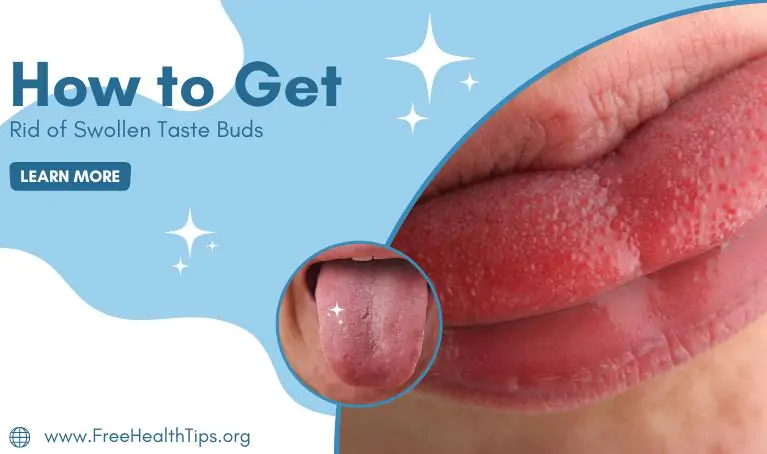
Taste buds are clusters of sensory cells located on:
- The tongue
- The palate
- The throat (pharynx)
- The upper esophagus
These receptors send signals to your brain so you can detect sweet, salty, sour, bitter, and umami flavors.
When these tiny papillae become irritated or inflamed, they can swell, leading to discomfort or “lie bumps.”
Symptoms of Swollen Taste Buds
You may notice:
- Pain or tenderness on the tongue
- Small bumps that appear red or white
- Difficulty tasting food
- Burning or irritation
- Sensitivity to spicy, hot, or acidic foods
Symptoms usually last 2–10 days depending on the cause.
Causes of Swollen Taste Buds
Swelling can occur due to external (extrinsic) factors or internal (intrinsic) health issues.
Extrinsic Causes
These irritants directly affect the surface of the tongue:
1. Spicy Foods
Chili peppers contain capsaicin, which may irritate taste buds and cause temporary swelling.
2. Hot Foods & Drinks
Burning your tongue with very hot beverages or soups can damage the protective lining.
3. Tobacco Use
Chemicals in cigarettes (like nicotine and tar) can inflame papillae and reduce taste sensitivity.
4. Alcohol
Alcohol dries the mouth and irritates oral tissues.
5. Poor Oral Hygiene
Plaque buildup and bacterial overgrowth can inflame tongue papillae.
6. Oral Thrush
A fungal infection that causes white patches and swollen bumps on the tongue.
Intrinsic Causes
These are internal factors that may trigger tongue inflammation.
1. Stress or Depression
Stress alters hormones and immune response, leading to mouth irritation and swelling in some individuals.
2. Gut Health Issues
IBS, indigestion, gut dysbiosis, or vitamin deficiencies may show up as inflammation on the tongue.
3. Acid Reflux (GERD)
Stomach acid reaching the mouth can irritate tongue papillae, gums, and palate.
4. Autoimmune Disorders
Conditions like lupus or lichen planus can affect the tongue’s sensory cells.
5. Transient Lingual Papillitis (“Lie Bumps”)
A harmless, very common condition causing small red or white bumps that disappear within a few days.
6. Infections
Viral or bacterial infections can cause temporary inflammation.
7. Allergic Reactions
Certain foods, toothpaste ingredients, or mouthwash chemicals may trigger irritation.
8. Rare But Serious Cause: Oral Cancer
Persistent lumps or patches that do NOT heal should be examined by a doctor.
How to Treat Swollen Taste Buds at Home (Fast Relief)
1. Cold Compress / Ice Chips
Sucking on ice helps numb the pain and reduce inflammation quickly.
2. Saltwater Rinse
Mix ½ teaspoon of salt in warm water and swish for 30 seconds.
Salt acts as a natural antiseptic and speeds healing.
3. Avoid Irritants for 48–72 Hours
Temporarily avoid:
- Spicy foods
- Acidic foods (citrus, tomatoes)
- Very hot drinks
- Alcohol
- Smoking
4. Maintain Good Oral Hygiene
- Brush gently twice daily
- Clean the tongue softly (avoid hard scraping)
- Use an alcohol-free antibacterial mouthwash
5. Manage Acid Reflux
If reflux is causing swelling:
- Avoid lying down after meals
- Reduce caffeine
- Focus on fiber-rich meals
- Consider antacids or PPIs after consulting a doctor
6. Drink More Water
A hydrated mouth heals faster and reduces irritation.
7. Identify and Avoid Allergens
If a specific food repeatedly triggers swelling, remove it from your diet temporarily and observe changes.
Prevention Tips
To prevent swollen taste buds from recurring:
- Avoid excessively hot or spicy food
- Clean your tongue gently (avoid aggressive brushing)
- Quit smoking & reduce alcohol consumption
- Follow a gut-friendly, balanced diet
- Manage stress through sleep, exercise, or relaxation
- Stay hydrated
- Practice daily oral hygiene
When to See a Doctor
According to Cleveland Clinic, you should see a healthcare professional if symptoms persist more than 2 weeks.
Seek medical attention if you experience:
- Increasing pain or swelling
- Difficulty opening the mouth
- Bleeding
- White or red patches that don’t heal
- Unexplained lumps
- Fever or spreading infection
These may indicate infection or another underlying condition requiring evaluation.
What Happens During a Medical Examination?
Your doctor may:
- Inspect your mouth using a light
- Evaluate oral hygiene and tongue condition
- Ask about diet, allergies, and habits
- Check for signs of infection
- Perform bimanual palpation (gentle finger examination)
- Recommend tests if needed
Most cases resolve quickly once the cause is identified.
FAQs (2026 Version)
How long do swollen taste buds last?
Most cases last 2–10 days depending on the cause.
What causes lie bumps?
Lie bumps (transient lingual papillitis) occur due to irritation, stress, or minor trauma on the tongue.
Are swollen taste buds contagious?
No. They are not contagious.
Can COVID-19 cause swollen taste buds?
COVID can affect taste, but swollen taste buds are usually due to irritation, not the virus itself.
Can vitamin deficiency cause swollen taste buds?
Yes, deficiencies in B vitamins, iron, or zinc may contribute.
Final Summary
Swollen taste buds are usually harmless and temporary, but they can be painful. Simple treatments like ice, saltwater rinses, avoiding irritants, and good hygiene often resolve symptoms quickly. However, persistent symptoms lasting more than two weeks should be evaluated by a doctor.